

Understanding 777 Skrill for Nigerian Users
Explore 777 Skrill's features and use in Nigeria 🇳🇬. Learn how it fits online payments, gaming 🎮, security 🔒, and top alternatives for safe, easy transactions.
Edited By
Sophie Lancaster
The 777 bank transfer deposit fee is a bank charge Nigerian customers often face when making inter-bank transfers or receiving certain types of deposits. This fee usually appears on your bank statement as a ₦777 debit, sparking questions about what it is and why it applies.
Banks in Nigeria impose this charge mainly to cover transaction processing costs, especially for transfers done outside their network or through less automated channels. These fees vary slightly depending on the bank, but ₦777 has become a common figure because it’s clear, memorable, and close to ₦1,000 without being too steep.

Many account holders encounter this fee unexpectedly, especially when transferring money between different banks or using the USSD *737# service. Understanding when and why the bank deducts ₦777 can help you manage your finances more efficiently.
Typically, the 777 deposit fee applies not to all transfers but rather when funds come from certain sources like POS terminals, third-party payment platforms, or transfers done at a bank branch instead of digital methods. For instance, if you deposit money via an agent or a third-party payment app, the receiving bank may charge ₦777 as a commission.
Moreover, some banks add this fee to discourage bulk cash deposits or frequent manual deposit transactions, knowing their automated platforms cost less to run. This practice has become more noticeable as many Nigerians shift towards digital banking and fintech solutions like Paystack or Flutterwave that promote cheaper or free transfers.
Understanding the fee's origin and how banks implement it can save you money. For example, using a single bank’s transfer app or USSD code usually avoids additional charges, whereas mixing channels often triggers the 777 fee. Knowing this helps you make informed decisions and avoid unnecessary deductions.
In the following sections, we will explore practical ways to recognise, avoid, or reduce the 777 bank transfer deposit fee while keeping your money intact for other priorities.
The 777 bank transfer deposit fee is a specific charge levied by Nigerian banks when money is deposited into an account via transfers from third-party sources, often across different banks. Understanding this fee is vital because it influences how you manage your transactions, especially if you regularly receive funds from other people or platforms. For example, a player receiving winnings from a betting app or a worker getting money from a fintech wallet might encounter this fee without prior notice.
Knowing the nature of this fee helps you avoid unnecessary deductions and pick the best transfer methods. This fee is not always obvious when sending or receiving money, so awareness can save you unwanted charges.
Banks typically charge the 777 deposit fee on incoming transfers from accounts held by other individuals or institutions, especially when these transactions come from different banks. The fee is often fixed or calculated as a small percentage of the deposit amount, making it a common cost for funds moving from one bank to another. For instance, if you receive ₦50,000 from a friend using a different bank, the receiving bank may deduct this fee before crediting your account.
This fee covers the cost of processing interbank transfers and is applied automatically, often without explicit consent during the transaction. It is important to note that transfers within the same bank usually do not attract this fee.
Banks charge the 777 transfer deposit fee mainly to cover operational expenses tied to handling interbank transactions. These include network charges, security protocols, and maintaining the infrastructure that makes such transfers possible. Given Nigeria’s financial ecosystem, where multiple banks interact constantly, managing these costs helps banks maintain service quality.
Moreover, the fee discourages frivolous or excessive third-party transfers that could strain the banking infrastructure. By implementing such fees, banks ensure the sustainability of digital transfer services, impacting you as a customer who moves money across different banks regularly.
The 777 deposit fee usually comes into play when funds are transferred from accounts held by other people or entities, not owned by the recipient. For example, if your friend or a betting platform sends you money from another bank, your bank may deduct this fee upon receipt.
This kind of transaction is typical in daily Nigerian life where many transactions happen between different banks. Receiving salaries, payment for freelance work, or winnings from online platforms often trigger this charge.
Transfers made within the same bank—say, from one GTBank account to another—generally incur no deposit fee. Banks often absorb these internal transfer costs to encourage customers to stick with their services.
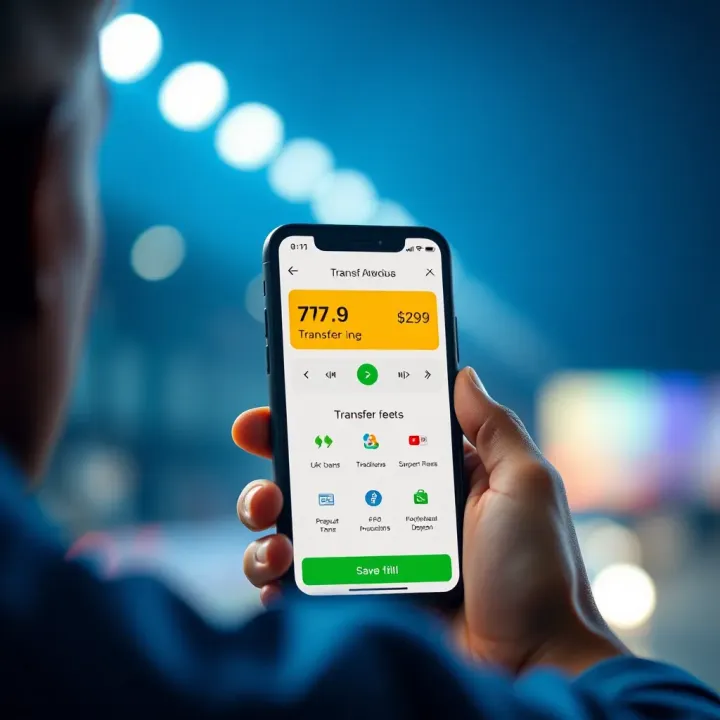
On the other hand, interbank transfers—those across different banks like from Access Bank to Zenith Bank—increase the bank’s processing responsibilities and cost. Hence, the 777 deposit fee applies here. If you frequently send or get money across various banks, expect this charge unless you use alternative routes such as fintech wallets or same-bank transfers.
Understanding these distinctions helps you plan your transactions better and avoid unnecessary fees, especially if you receive money often from different sources.
Understanding the typical costs linked to the 777 bank transfer deposit fee helps Nigerians manage their finances better, especially when regularly moving money between accounts. This fee varies depending on the bank and transaction specifics, so knowing the usual charges can prevent surprises and aid in choosing cheaper transfer options.
Most Nigerian banks set the 777 deposit fee within a relatively predictable range. For example, Zenith Bank, GTBank, and Access Bank often charge between ₦50 and ₦150 per incoming transfer from third-party accounts. Some banks apply a fixed fee regardless of the transfer amount, while others might charge a small percentage, especially for larger sums.
Knowing these figures matters because a random ₦50 fee on a ₦5,000 transfer adds a significant cost, whereas the same fee on ₦100,000 seems negligible. That means transfer size and the bank involved influence how noticeable the fee feels.
Banks normally stick to either fixed fees or percentage-based fees. Fixed charges are simple—for instance, a ₦100 fee per incoming transfer below ₦50,000 helps users predict costs exactly. On the other hand, percentage fees—say 0.5% for amounts above ₦50,000—scale with transfer size, which can feel fairer but harder to predict.
How you make the transfer also plays a role. Transfer methods such as USSD commands, mobile apps, or online banking portals may have different fee structures. USSD transfers are often cheaper or even free for certain banks, while using an app or online banking could attract charges. This difference exists because USSD uses simpler tech, so banks spend less on processing.
Transfer amount thresholds also shape the fee. Many banks waive deposit fees for incoming transfers below a minimum value, like ₦10,000. Conversely, transfers above certain limits attract higher fees or percentage charges. This means sending ₦5,000 might cost nothing, but ₦70,000 could come with a 0.5% fee, pushing your cost to ₦350.
Being aware of these fee brackets and transfer methods is key to saving money. For instance, if you're sending money to a friend’s account via USSD and it’s under the bank’s free threshold, the 777 deposit fee may not apply at all.
By comparing your bank's fee policies and choosing the right transfer channel and amount, you can avoid unnecessary charges and keep more naira in your pocket.
Banks in Nigeria impose the 777 transfer deposit fee primarily to cover the costs involved in processing and maintaining transfer services. This fee reflects the practical expenses banks incur, especially with interbank transfers, where additional infrastructure and labour are required. Understanding these reasons helps customers make sense of why the fee exists and how it fits into the broader banking environment.
Processing transfers involves several steps that demand resources. For example, when you send money from one bank to another, banks must verify the transaction, update customer accounts, and ensure the money reaches its destination securely. These activities require manpower, technology, and secure communication networks, which do not come cheap. A bank like GTBank, handling millions of transfers daily, naturally absorbs sizeable operational costs to maintain swift and reliable services.
Maintaining digital banking infrastructure is another significant factor. Nigerian banks run complex systems – from mobile apps and USSD codes to online portals – which need regular upgrades, security patches, and 24/7 monitoring. These systems protect against fraud and service disruptions, ensuring customers enjoy seamless transactions. For instance, the downtime of a banking app during ember months, when transaction volumes spike, can cause chaos. The 777 fee helps banks keep these digital platforms stable and secure, covering costs that go beyond simple account crediting.
The Central Bank of Nigeria (CBN) influences how banks set transfer fees through its policies. While CBN does not fix exact fees, it provides guidelines encouraging transparency and fair charging practices. Banks must comply with these directives to protect customers from exploitative fees. For example, CBN's framework on electronic funds transfers requires banks to notify customers about applicable fees ahead of transactions, helping prevent surprise charges.
Still, there is room for variation among banks due to their individual policies and business models. Some banks might charge a fixed ₦25 fee per transfer, while others could apply a percentage-based fee depending on the amount. This flexibility allows banks to adapt fees based on their customer base and cost structures. Customers should, therefore, check their banks' official terms to understand specific charges, since the 777 fee scheme can differ slightly between banks like Zenith Bank, First Bank, or Access Bank.
Knowing why the 777 transfer deposit fee exists helps you not only anticipate costs but also choose banks and transfer methods that save you money. It’s more than just a charge — it reflects the effort keeping your money moving safely across Nigeria’s financial system.
The 777 bank transfer deposit fee can quickly eat into your money if you're transferring funds regularly. Knowing how to avoid or minimise this charge saves you both naira and hassle. By understanding the common triggers and exploring practical alternatives, you stay ahead and keep your expenses manageable.
Same-bank transfers often come without extra fees. Banks usually treat transfers within their own network as part of their customer service, so they either waive or lower the 777 deposit fee for these transactions. This means if both sender and receiver maintain accounts in the same bank, the transfer carries fewer or no charges.
For instance, GTBank and Access Bank typically allow free or very low-cost transfers between their customers, especially through their mobile apps. It’s handy for sending money to family or paying for services where both parties bank with the same institution. This practice encourages customers to use the bank's ecosystem more, which benefits both sides.
Apps like OPay, Flutterwave, and Paystack have changed the game by offering cheaper or even free transfers in some cases. These fintech platforms rely on digital wallets and partner networks, reducing the need to impose traditional bank fees like the 777 deposit charge.
Many fintech providers allow peer-to-peer transfers without levying such fees. OPay, for example, offers instant transfers at very low rates or none at all within its network, which makes it easier for users to move money without worrying about unnecessary costs. This is particularly useful for micro-business owners and young professionals who transact frequently and want to keep costs low.
Some banks waive transfer fees if you stay within daily or monthly transaction limits. Knowing these thresholds can help you plan transactions to avoid extra charges. For example, Zenith Bank sometimes sets a daily transfer limit where below a certain amount, fees don’t apply. Planning multiple small transfers within these limits instead of one big transfer can be beneficial.
Banks also offer promotional periods during which transfer fees are reduced or removed. These offers often crop up during festive seasons like Sallah or Christmas, or during ember months when customer activity picks up. Staying alert to such promos and aligning your transfers accordingly can save you money.
Awareness and a bit of planning go a long way in dodging the 777 deposit fee. Using the same bank transfers, fintech wallets, and scheduling transactions strategically are practical ways to keep your costs down.
Unexpected transfer fees can quickly eat into your funds, especially when making multiple transactions or transferring large sums. Knowing how to handle these fees lets you protect your money and avoid recurring charges. This section focuses on practical ways to clarify, dispute, or resolve unexpected charges, helping you stay in control of your finances.
Banks usually provide detailed information about fees on their websites or mobile apps. Taking the time to check these resources before or after making a transfer can reveal why a fee was charged. For instance, some banks clearly list the 777 bank transfer deposit fee alongside conditions like which types of transfers attract it and any exemptions that might apply.
Accessing these fee structures is straightforward. Most banks, including GTBank and Zenith Bank, have dedicated sections for tariffs and charges in their apps, showing up-to-date fees and policies. By reviewing this, you avoid surprises and can plan transfers accordingly.
If the fee isn’t clear or seems incorrect, the next step is to contact your bank’s customer service. Calling the hotline or visiting a branch lets you ask for specific explanations about the charge. Representatives can verify if the fee aligns with your transaction type or if it was a mistake.
Usually, bank staff resolve such enquiries quickly, sometimes offering fee reversals if the charge was unwarranted. For example, if you transferred money between your own accounts and still got charged, customer service should clarify and possibly refund.
When you notice a fee that seems wrong even after checking terms and talking to customer service, you can file a formal complaint. Most banks have procedures for lodging fee disputes, often starting with a complaint form on their website or a written letter at the branch.
This formal step keeps a record and ensures your issue is escalated appropriately. State the transaction details, date, fee amount, and why you believe the charge is incorrect.
If the bank fails to resolve the issue within a reasonable time, involving regulatory authorities like the Central Bank of Nigeria (CBN) becomes necessary. The CBN oversees banking operations and customer protection in Nigeria.
You can file complaints through the CBN Consumer Protection Department. The bank is then compelled to investigate and respond, and if proven wrong, they must refund the unauthorized fee. This regulatory backing acts as an important tool to keep banks accountable.
Always keep transaction records and screenshots handy. These documents strengthen your case during disputes and show that you are aware of your rights as a bank customer.
Knowing your rights and channels for complaints ensures unexpected fees don’t turn into permanent losses. It pays to be proactive and informed about how Nigerian banks handle transfer deposit fees like the 777 charge.
Explore 777 Skrill's features and use in Nigeria 🇳🇬. Learn how it fits online payments, gaming 🎮, security 🔒, and top alternatives for safe, easy transactions.

Learn how to change your name on 777 quickly 💻. Follow clear steps, prepare your documents, and resolve common issues easily in Nigeria 🇳🇬.

Explore the 777 Telegram channel 📱 showing how Nigerians connect for entertainment, biz ideas, and online networking safely and smartly in today’s digital world 🔍

📝 Learn how to register your 777 online account in Nigeria easily. Follow clear steps, verify your identity, and avoid common registration issues for smooth setup ✅
Based on 10 reviews