

How to Download and Use Aviator App in Nigeria
📲 Learn how to download and install the Aviator app on your phone in Nigeria with clear steps, device tips, and fixes for common problems. Get set to explore Aviator today!
Edited By
Thomas Green
Accurate flight forecasting is not a luxury but a necessity for Nigerian pilots, airlines, and aviation enthusiasts. With our climate's rapid shifts—especially during the ember months—relying on good aviator predictors can mean the difference between a smooth journey and avoidable disruptions. These tools provide insights into weather patterns, wind speed, and visibility, all critical for flight planning.
Aviator predictors come in many forms, from mobile apps like FlightRadar24 and SkyVector to advanced digital platforms used by commercial airlines. Understanding which one fits your needs depends on several factors:

Data accuracy and update frequency: Predictors that refresh data more regularly tend to offer better real-time insights.
Local weather integration: For Nigeria, tools that include specific local weather phenomena, such as the harmattan dust or sudden thunderstorms, provide an edge.
Ease of use and interface: Busy pilots and analysts prefer interfaces that deliver clear, actionable information without clutter.
Choose an aviator predictor that adapts to Nigerian weather's unique challenges rather than a generic global option. This ensures more reliable forecasts tailored to local flight paths.
Beyond raw data, many predictors now offer features like route optimisation and hazard alerts. For example, a predictor that flags probable turbulence zones or sudden visibility drops over Lagos or Port Harcourt is useful for timely decision-making.
Remember, no tool can guarantee 100% accuracy because weather is inherently unpredictable. Still, combining dependable predictors with professional experience increases safety and reduces fuel wastage significantly.
In the following sections, we will compare popular aviator predictors suited for Nigerian contexts, outlining their strengths and limitations. This will empower you to select a solution that meets the demands of Nigerian skies precisely.
Aviator predictors are vital tools for flight planning in Nigeria’s complex airspace. They provide forecasts on weather conditions that directly affect flight safety, scheduling, and operational costs. Understanding how these tools work helps pilots and airlines anticipate challenges and make informed decisions, especially given Nigeria’s varied weather patterns and infrastructural constraints.
Flight forecasting involves predicting meteorological factors such as wind speed, visibility, precipitation, cloud cover, and turbulence along planned routes. These elements influence a plane’s takeoff, cruising, and landing phases. For example, heavy haze during harmattan can reduce visibility significantly, while rainstorms in the south west might cause turbulence or delays.
Most prediction tools gather data from several sources, including satellite imagery, ground weather stations, radar systems, and meteorological agencies like the Nigeria Meteorological Agency (NiMet). Combining local data with global meteorological inputs, these tools give a more complete picture. For instance, NiMet’s real-time updates on Lagos or Abuja airports feed into prediction models used by local airlines.
Common forecasting techniques include numerical weather prediction models that simulate atmospheric behaviour, statistical models based on historical data, and machine learning algorithms that improve predictions over time. Many modern aviator predictors blend these methods to balance accuracy and speed, ensuring pilots get real-time, reliable insights.
Nigeria experiences sharply contrasting weather seasons, with the harmattan bringing dusty, dry air and the rainy season causing heavy downpours. Accurate forecasts help aviators prepare for sudden changes in weather, such as thunderstorms or reduced visibility, which might not be consistent even within short distances.
Flight safety depends heavily on accurate weather predictions. Unexpected turbulence or fog can delay takeoff or force pilots to divert. For Nigerian airlines operating tight schedules, timely weather information avoids unnecessary cancellations or last-minute changes that disrupt passengers. For example, a clear forecast helps meet gate departure times at busy airports like Murtala Muhammed International Airport in Lagos.
Inaccurate forecasts can inflate operational costs. Airlines might spend extra on fuel for rerouted flights or compensation for delayed schedules. These costs trickle down to passengers through higher ticket prices or inconveniences. By using precise aviator predictors, airlines can reduce waste, optimise fuel use, and improve overall efficiency, ultimately saving money and improving customer satisfaction.
Reliable aviator predictors are not just technical tools—they are practical lifelines ensuring smooth, safe, and cost-effective air travel within Nigeria’s challenging aviation environment.
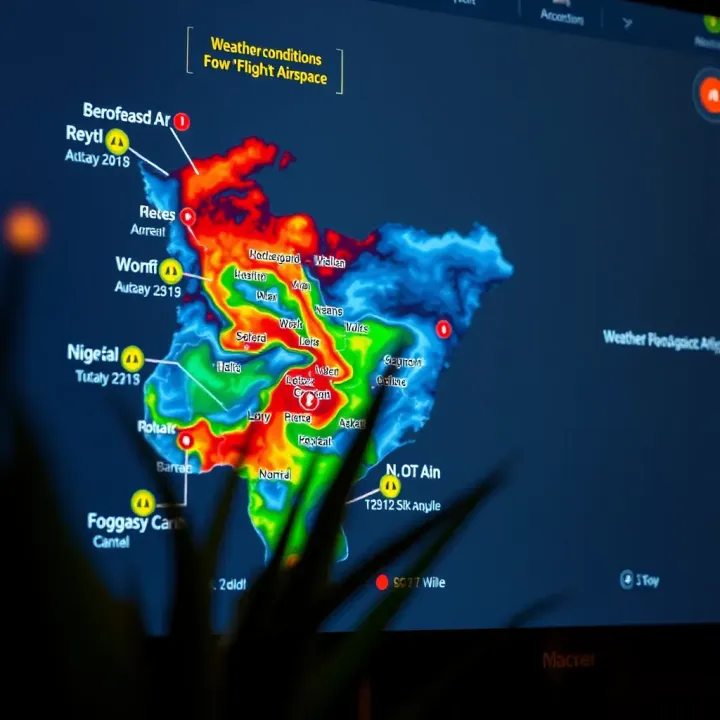
Choosing the right aviator predictor tool requires careful attention to several key features that ensure accurate and reliable flight forecasts. These features make a difference not only for pilots but also for airline operators and aviation planners who navigate the complexities of Nigerian airspace.
Timely weather updates are vital for any aviator predictor. Weather conditions can change quickly, especially in Nigeria, where unexpected rain showers or sudden harmattan winds often disrupt schedules. Having a tool that updates frequently helps pilots respond promptly to such changes, reducing the risk of delays or safety concerns. For example, a forecast that refreshes every 30 minutes will be more useful than one updated once daily, especially when planning flights around Lagos’ unpredictable afternoon thunderstorms.
Equally important is the integration with official meteorological sources such as the Nigeria Meteorological Agency (NiMet). Tools that pull data directly from NiMet and other recognised agencies offer forecasts based on verified local measurements. This integration reduces chances of conflicting or outdated information, a common issue with generic global apps that do not factor in regional specifics. Reliable predictions grounded in official data help airlines avoid unnecessary diversions or cancellations.
A clear visualisation of flight conditions is another must-have. Pilots and operators need to quickly grasp the forecasted weather patterns without wading through complicated charts. Visual tools like layered maps showing wind speed, cloud cover, and precipitation with simple colour codes make it easier to interpret at a glance. For instance, platforms like ForeFlight use intuitive graphics that save precious time preparing for flights.
Accessibility on both mobile and desktop devices ensures that users can check critical updates anytime, anywhere. Nigerian pilots often work from different locations—airports, home, or even on the road—so a predictor that functions seamlessly on smartphones and desktops is more practical. Moreover, offline mode features or low-data usage options can be particularly useful given Nigeria’s inconsistent internet access in some regions.
Route-specific forecasts tailor weather information to the exact flight path, which matters a lot in Nigerian aviation. Considering the vastness and climatic diversity—from the coastal south to the arid north—predictors that allow input of specific routes provide more relevant and actionable data. This helps airlines plan fuel loads better and decide on possible alternate airports.
Alerts and notifications for Nigerian airports keep pilots and ground staff informed of sudden changes like visibility drops or runway closures. Real-time alerts can trigger timely responses, curtailing operational disruptions. Such notifications are especially critical during ember months when weather swings are more frequent.
Lastly, support for different aircraft types is crucial. Flight conditions affect varied aircraft in distinct ways; a light propeller plane reacts differently to turbulence than a heavy jet. Aviator predictors that factor in aircraft-specific parameters give more accurate safety margins and operational advice, enhancing flight planning quality.
Selecting a predictor with these key features guarantees a practical, reliable forecasting tool that meets the unique demands of Nigerian aviation.
In sum, focusing on data accuracy, usability, and customisation provides a solid foundation for choosing the best aviator predictor tool. This helps maintain flight safety, improve scheduling, and optimise costs in a challenging operational environment like Nigeria’s skies.
Choosing the right aviator predictor is key for Nigerian pilots and airlines to navigate local airspace confidently. Popular platforms combine global reach with local relevance, providing tools that deliver precise forecasts tailored to Nigeria’s unique weather and aviation environment.
Platforms like ForeFlight and SkyVector are widely recognised for detailed flight planning and weather prediction. ForeFlight offers advanced features such as moving map displays, weather overlays, and up-to-date NOTAMs (Notice to Airmen), helping pilots make informed decisions quickly. SkyVector, on the other hand, is popular for its interactive charts and accessible interface, allowing easy plotting of routes while showing real-time weather data.
These platforms draw from international meteorological data sources and aviation authorities, ensuring layered information for users. Their strength lies in combining extensive global data with intuitive tools, which is crucial for Nigerian pilots flying complex routes with variable weather.
Regarding Nigerian flight routes, global prediction platforms perform well but sometimes face challenges due to limited real-time local data integration. Nigeria’s weather patterns—including harmattan haze and intense rainy seasons—require ongoing updates that some global tools might miss. Still, these platforms remain practical for Nigerian operations, especially for international flights or connecting hubs where weather information is more robust.
Locally tailored prediction services increasingly leverage data from the Nigeria Meteorological Agency (NiMet). These tools provide highly relevant weather updates, focusing on local phenomena like thunderstorms and haze, which can disrupt flights in the region. By integrating NiMet’s official data, these solutions give Nigerian operators a grounded view of current and forecast conditions over domestic routes.
Such homegrown predictors offer clear benefits: better alignment with Nigerian aviation realities and faster update cycles reflecting sudden weather shifts common in West Africa. They often come bundled with alerts specific to Nigerian airports and air traffic control advisories, making them indispensable for local pilots and dispatch teams.
Using homegrown prediction tools can translate directly into safer flights and cost savings by avoiding unnecessary delays and last-minute route changes, especially during the ember months when weather volatility spikes.
Local solutions are also tailored to Nigerian flight operations' resource constraints—working effectively even where internet and power supply are inconsistent. This user-focused design boosts reliability over some global platforms that depend heavily on always-on connectivity.
In summary, while global platforms deliver strong performance for Nigerian operators, locally developed predictors fill gaps by offering context-specific accuracy and resilience. Many Nigerian airlines and private pilots combine both approaches to maximise safety and efficiency on their routes.
Using aviator predictors effectively in Nigerian airspace can make a huge difference in flight safety, scheduling, and operational efficiency. Since Nigerian weather conditions can suddenly change, especially during the harmattan and rainy seasons, relying solely on a single forecast might not suffice. Following practical tips helps pilots, airlines, and aviation planners navigate the complexity of local weather while avoiding costly delays or accidents.
It’s wise to cross-reference official weather reports from the Nigeria Meteorological Agency (NiMet) with aeronautical prediction tools like ForeFlight or SkyVector. Official reports offer verified data on temperature, wind, and atmospheric pressure, while prediction platforms provide detailed visualisations and route-specific insights. This blend ensures you’re not missing critical updates, such as a sudden mistral wind surge or unexpected thunderstorms near Lagos or Port Harcourt airports.
When forecasts from different sources contradict, it signals a need for extra vigilance. For example, if NiMet predicts moderate rainfall but a prediction tool suggests heavy turbulence, planning extra fuel reserves or considering route adjustments would be prudent. Spotting such gaps early means pilots can prepare better contingency plans, reducing risks caused by sudden weather shifts common in the ember months.
The ember months from September to December bring unpredictable weather changes including heavy rains, strong winds, and sudden fog patches, especially in southern Nigeria. These conditions can cause frequent flight delays, cancellations, or diversions. Pilots and operators need to factor in these seasonal patterns when using aviator predictors, anticipating tighter turnaround times and possible reroutes around storm-prone areas.
Beyond seasonal extremes, Nigerian climate trends like harmattan dust and temperature fluctuations require flexible planning. Flights should be scheduled with buffer periods during mornings when visibility is low due to harmattan haze. Using prediction tools that track these trends lets operators tweak departure times or select alternate airports, ensuring smoother operations without compromising safety.
Aviator predictors constantly evolve with added features — for instance, incorporating real-time satellite data or AI-driven turbulence forecasts. Keeping abreast of such updates through briefings or industry forums helps Nigerian operators optimise flight planning. For example, a tool update might suddenly enable better alerts for Nigerian airports prone to sudden downpours, making it easier to avoid delays.
Regulatory frameworks from the Nigerian Civil Aviation Authority (NCAA) often influence aviation technology use and operational procedures. Similarly, Central Bank of Nigeria (CBN) policies around foreign exchange impact airlines’ spending on digital tools from abroad. Staying informed about these policies ensures operators comply fully and budget effectively for subscribing to premium prediction services or upgrading avionics.
The key to mastering flight forecasting in Nigerian airspace lies in blending technology, local knowledge, and regulatory awareness. This practical approach helps avoid surprises, making every flight safer and more efficient.
Flight forecasting is only as solid as the data and infrastructure behind it. Nigerian aviator predictors face unique hurdles that can limit their accuracy despite advanced algorithms and tools. These challenges stem mainly from weather data gaps and technological constraints, which require pilots and airlines to approach forecasts with informed caution.
One major issue is the limited coverage of weather stations across Nigeria. While major cities like Lagos, Abuja, and Port Harcourt have reliable meteorological stations, large parts of the country lack consistent monitoring. For instance, areas in the North-East and some rural zones have fewer data points, resulting in reliance on extrapolated or delayed reports. This scarcity affects real-time accuracy, especially when sudden weather changes occur away from these hubs.
The unpredictable nature of harmattan and the rainy season further complicates flight forecasts. Harmattan brings dry, dusty winds with poor visibility that can vary significantly over just a few kilometres, while the rainy season often brings sudden thunderstorms and intense downpours. These seasonal variations create microclimates that general prediction models may miss. Pilots operating in Nigeria must therefore anticipate sudden updates and be ready for rapid weather shifts, even if the predictor tool shows stable conditions.
Reliable internet access remains inconsistent in many parts of Nigeria, particularly outside urban centres. Real-time updates from aviator predictors depend on steady online connections, and any network drop can delay crucial weather information. For example, pilots flying out of smaller airports like Minna or Maiduguri might face difficulties receiving up-to-the-minute alerts due to poor mobile data coverage, increasing safety risks.
Power supply issues also strike at the heart of forecasting reliability. Frequent outages affect both the maintenance of meteorological equipment and the ability of staff to process and distribute data promptly. Airports and meteorological offices relying on diesel generators struggle with operational continuity, which occasionally causes delays in forecast updates. Additionally, limited funding for equipment repair means some weather stations operate with outdated sensors, further undermining data quality.
In Nigeria’s aviation landscape, understanding these challenges helps stakeholders use aviator predictors wisely—combining technology with local knowledge to improve flight safety and scheduling.
Addressing these challenges requires government and private sector collaboration to expand weather station networks, improve power infrastructure at airports, and bolster internet coverage nationwide. Until then, a degree of skepticism and backup planning remains necessary when relying on flight prediction tools in Nigerian airspace.
📲 Learn how to download and install the Aviator app on your phone in Nigeria with clear steps, device tips, and fixes for common problems. Get set to explore Aviator today!

🎰 Learn how to win at slot machines with key tips for Nigerian players. Master bankroll control, game selection, and timing to boost playtime and stack ₦ winnings!

🎯 Learn how to log in to SportyBet swiftly in Nigeria. Get tips on fixing login issues, keeping your account safe, and betting on the go. Secure your ₦ for top wins!

Discover the best betting sites in Nigeria! Get safe platforms, easy ₦ payment options, top bonuses, mobile betting perks, plus tips for smart punters 🎯📱💰
Based on 10 reviews