

How to Win at Slots: Tips for Nigerian Players
🎰 Learn how to win at slot machines with key tips for Nigerian players. Master bankroll control, game selection, and timing to boost playtime and stack ₦ winnings!
Edited By
David Spencer
Gambling in Nigeria is a mix of regulated and informal activities, governed primarily by federal and state laws. While betting has grown rapidly, especially online platforms, the legal framework remains specific about what types of gambling are allowed and who can operate them.
The National Lottery Act of 2005 is the cornerstone for lottery and betting regulations at the federal level. It mandates that anyone running a lottery or betting business must secure a licence from the National Lottery Regulatory Commission (NLRC). Besides lotteries, individual states have their own laws relating to betting shops and casinos. For example, Lagos State has distinct betting laws that complement federal statutes.
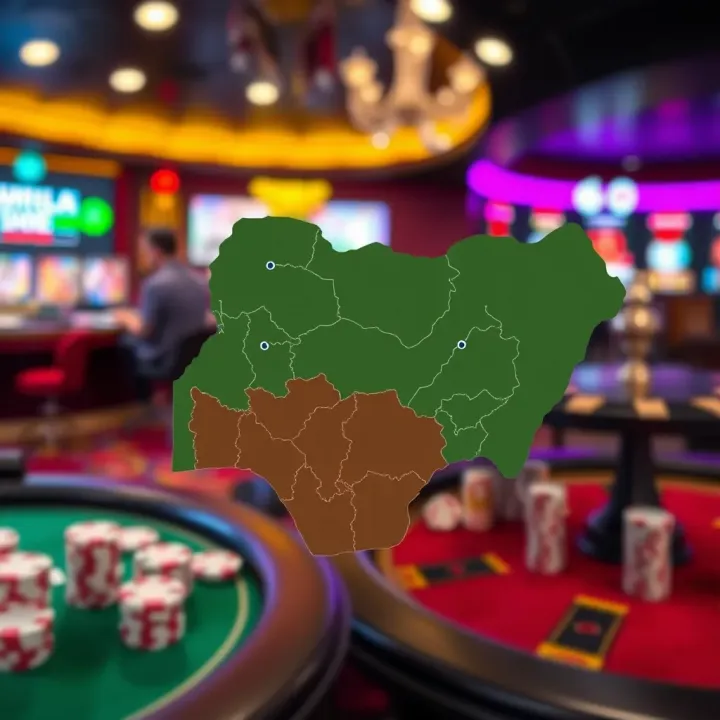
Lotteries: These are subject to national oversight; all lotteries must be licensed and regulated by the NLRC.
Sports Betting: This is the most popular form of gambling in Nigeria today, largely driven by online platforms like Bet9ja, Nairabet, and Merrybet, which operate under proper licences.
Casino Games: Legal in some states, casinos require separate licences and must follow strict guidelines.
Horse Racing: Regulated by their specific laws and commissions, often at state levels.
Unauthorized gambling operations are illegal — operators without valid licences can face severe penalties including fines and closure.
The National Lottery Regulatory Commission oversees federal lottery and betting activities.
State Gaming Boards implement and enforce state laws, issuing licences for local betting shops and casinos.
Law enforcement agencies regularly collaborate to identify and shut down illegal betting points, particularly those running without licences or engaging in fraudulent activities.
Illegal gambling often leads to fraud, unpaid winnings, and lack of accountability. Licensed operators must abide by consumer protection rules, ensuring transparency, fair play, and dispute resolution.
In short, gambling is legal in Nigeria but only when conducted through licensed channels. Whether you enjoy sports betting or lottery, it is key to verify that the platform or outlet operates under recognised authority. This protects your interests and supports the broader Nigerian economy, allowing regulated businesses to thrive and contribute tax revenue.
Understanding this legal landscape helps bettors and professionals navigate the sector safely with confidence.
Understanding the legal framework governing gambling activities in Nigeria helps both players and operators navigate the market without running afoul of the law. Gambling is widespread across the country—from bustling Lagos betting shops to informal neighbourhood pools—making clarity vital for consumer protection and business sustainability. Nigeria’s gambling laws ensure that betting happens in a regulated space, which prevents fraudulent operators and protects the public from exploitation.
The legislation covers various forms of gambling, including sports betting, lotteries, and more recently, online gambling platforms. This overview paints a clear picture of what is allowed, how operators must comply, and the role different government bodies play in maintaining order. For example, knowing the boundaries protects sports analysts who comment on betting odds and fintech professionals developing secure payment solutions for betting companies.
Nigerian gambling laws trace back several decades to the 1950s and 1960s when colonial authorities introduced early legislations aimed at curbing illegal betting. These laws laid the foundation for state-controlled lotteries and limited betting options. Over time, as gambling grew more popular and diverse, the government had to revise its approach. Notably, the National Lottery Act of 2005 marked a significant milestone by formalising lottery and betting operations under federal oversight. The history reveals how Nigeria moved from restriction towards structured regulation, reflecting the sector’s contribution to the economy and the need to protect citizens.
The principal legal texts regulating gambling include the National Lottery Act 2005, the Criminal Code Act, and various state-specific laws such as the Lagos State Lotteries Law. These laws define permissible gambling activities, outline licensing requirements, and detail offences related to illegal gaming. For example, under the National Lottery Act, operators must secure a licence to legally run lotteries or betting shops, while the Criminal Code governs offences like fraudulent betting practices and underage gambling. The existence of both federal and state laws makes compliance complex but ensures tailored regulation across Nigeria’s diverse regions.
The National Lottery Regulatory Commission (NLRC) acts as Nigeria’s chief regulator for lotteries and betting activities. Its responsibilities range from issuing licences to monitoring operators’ compliance and investigating complaints. The NLRC oversees the quality and integrity of lottery operations and enforces penalties against defaulters. This regulatory body also educates the public about responsible gambling and collaborates with law enforcement to clamp down on illegal gambling rings. Without the NLRC, Nigeria’s gambling industry would lack coordination and could become vulnerable to criminal abuses.
In short, the landscape of gambling laws in Nigeria is a blend of historical statutes, evolving legal acts, and active regulatory oversight—all aiming to balance economic opportunity with social safeguards.
Through understanding these aspects, stakeholders can make informed decisions whether they are bettors, operators, or regulators.

Understanding the kinds of gambling activities legally allowed in Nigeria is essential for anyone involved in betting, sports analysis, fintech, or hospitality. Nigeria’s legal framework recognises specific gambling practices, each regulated differently with licensing requirements under the supervision of the National Lottery Regulatory Commission (NLRC). Knowing what forms of gambling are permitted helps consumers avoid unlawful markets and allows operators to comply without risking penalties.
Sports betting remains one of the most popular forms of gambling legally permitted in Nigeria. Licensed operators run physical betting shops across major cities like Lagos, Abuja, and Port Harcourt, where customers place bets on football matches, basketball, and even global sports events. Operators like Bet9ja and Nairabet have secured official licences and meet regulatory standards, providing safer betting environments.
Notably, licensed betting shops must adhere to strict rules on customer identification and financial records to prevent fraud and money laundering. These physical outlets also often serve as agents for online betting platforms, bridging the digital and brick-and-mortar experience. For bettors, sticking to licensed shops ensures access to verified odds and assured payouts.
Lottery systems, including traditional draws and scratch cards, are permitted under Nigerian law, governed tightly by the NLRC. Operators such as Premier Lotto, known for "Baba Ijebu" games, offer these products nationwide. Legal lotteries must obtain appropriate licences and contribute a portion of their proceeds to government-sanctioned causes.
Scratch cards provide quick lottery play with instant results and are widely sold at retail outlets, including supermarkets and mama put stalls. While lotteries attract a broader demographic than sports betting, they remain under close watch due to their ease of access and potential social impact.
Online gambling sits in a somewhat grey area but still holds legal footing when operated under a valid Nigerian licence. Major online bookmakers and lottery firms that meet regulatory requirements can offer digital betting and lottery services. Despite increasing internet penetration and smartphone usage, online gambling regulations continue to evolve.
The central challenge is regulating offshore operators or unlicensed platforms targeting Nigerian users. Consumers face risks with foreign sites that do not conform to Nigeria’s standards. Consequently, the government is working to tighten controls and promote licensed online platforms that guarantee fair play and consumer protection.
To sum up, Nigerian law allows specific gambling types that follow stringent licensing and regulatory frameworks, particularly sports betting, lotteries, and licensed online gambling. Choosing legally approved outlets is crucial for credibility, security, and overall positive gambling experiences.
This understanding empowers bettors, fintech professionals developing payment systems, and hospitality workers offering recreational services to navigate the legal gambling space confidently and responsibly.
Licensing and regulatory controls form the backbone of Nigeria’s gambling industry, ensuring that operators run their businesses within the law and that players are protected from unfair practices. Without proper licensing, gambling activities can quickly become hotbeds for fraud, money laundering, and consumer exploitation. For bettors and entrepreneurs, understanding how these processes work is key to navigating the market safely and legally.
To run a gambling business officially in Nigeria, an operator must obtain a licence from the National Lottery Regulatory Commission (NLRC) or other relevant state regulatory agencies, depending on the gambling type. The application process involves submitting detailed documentation, including a business plan, proof of financial stability, and sometimes tax clearance certificates. Nigerian sports betting firms like Bet9ja and NairaBet hold such licences, which allow them to operate legal betting shops nationwide.
Getting licensed also requires payment of fees and adherence to specific criteria. For example, the applicant must prove that they understand the legal framework governing gambling and that their platform can offer secure transactions to customers. The process can take several weeks, but it’s necessary for operators who want credibility and long-term sustainability.
Once licensed, gambling businesses must follow strict rules to maintain their licence. Operators need to keep transparent financial records, report to regulators, and implement measures to prevent underage gambling. Customer protection is taken seriously; firms must offer clear terms and provide channels for complaints or dispute resolution.
A practical example is the requirement for sports betting operators to pause or ban accounts that show signs of compulsive gambling. Regular audits and system checks are also conducted to ensure fairness and integrity in gaming operations. These compliance rules help uphold public trust and protect Nigeria’s growing gambling market.
Engaging in gambling operations without a valid licence attracts heavy penalties. The National Lottery Act specifies fines and even imprisonment for offenders. For instance, an unlicensed bookie caught by authorities may face fines running into millions of naira or jail time, depending on the severity of the offence.
These penalties serve as deterrents against illegal gambling, which often involves fraudulent schemes or unsafe betting platforms. The government’s crackdown on unlicensed operators ensures gamblers do not fall victim to scams or unfair games. Moreover, licensed operators continue to benefit by enjoying exclusive access to advertising and sponsorship opportunities, which illegal operators miss out on.
Operating a gambling business without registration not only risks legal action but also damages consumer confidence across the whole sector.
Understanding these licensing and regulation processes enables you to spot legitimate operators and avoid shady arrangements. Whether you’re a bettor or someone planning to enter the business, following the legal path offers better security and peace of mind amidst Nigeria’s vibrant but challenging gambling environment.
The Nigerian gambling industry faces several risks and challenges that both regulators and players must navigate carefully. These challenges influence how the sector grows, how operators maintain trust, and how consumers are protected. Understanding these aspects is vital, especially in a market that is expanding quickly through both physical betting shops and online platforms.
Illegal gambling activities continue to undermine the Nigerian market significantly. Unlicensed operators, often running underground betting shops or unauthorised online platforms, not only evade taxes but also increase the risk for consumers. These illegal entities rarely adhere to regulatory standards, exposing players to fraud or unfair practices. For example, in Lagos and Abuja, security agencies have severally raided illegal betting dens that were prey to manipulations and underage players. This unchecked gambling can distort market competition, causing licensed operators who follow regulations to lose revenue and credibility.
Gambling addiction is a real concern in Nigeria, with many individuals risking financial stability chasing unrealistic winnings. The National Lottery Regulatory Commission (NLRC) has set some rules to regulate advertising and inform consumers, but awareness and enforcement remain weak in many areas. Betting operators are encouraged to implement responsible gambling measures, such as deposit limits and self-exclusion tools, to shield vulnerable players. Yet, there’s a gap in education about gambling risks among youth, who are increasingly drawn to mobile betting apps. Protecting these consumers is essential to avoid social consequences and financial hardship, especially during the ember months when families often face extra expenses.
The gambling sector, if not tightly regulated, could become an avenue for money laundering and other illicit financial activities. This challenge is heightened by Nigeria’s cash-based economy and the rise of online betting platforms where large sums can be transferred quickly with less transparency. Nigerian financial regulators alongside the Economic and Financial Crimes Commission (EFCC) work to monitor suspicious transactions and enforce Anti-Money Laundering (AML) policies. Licensed operators must comply with stringent Know Your Customer (KYC) and transaction monitoring requirements to prevent misuse. Still, continuous vigilance is needed as criminals often exploit loopholes in registration and payment systems.
Effective regulation and proactive enforcement are key if Nigeria wants its gambling industry to thrive safely. Licensed operators, regulators, and consumers each play a role in tackling these risks to protect the market’s integrity.
Addressing illegal gambling, addiction, and financial misuse not only protects individuals but also builds public confidence, critical for sustained growth in Nigeria's evolving gambling sector.
The gambling sector in Nigeria is evolving rapidly, with regulators and industry players constantly adapting to new trends and challenges. Looking ahead, future developments in gambling laws and regulations will play a vital role in shaping how the industry grows while protecting consumers. Understanding these changes is key for bettors, casino operators, and fintech firms aiming to stay compliant and competitive.
Online gambling continues to gain traction in Nigeria, especially among young urban adults who prefer mobile platforms for convenience. The government is considering updates to existing gambling legislation to better accommodate online operations. These changes could include clearer licensing frameworks specifically tailored for online bookmakers, stricter rules on player verification to combat fraud, and enhanced consumer protection measures.
For example, regulators might introduce mandatory limits on betting amounts or require responsible gaming tools integrated into digital betting platforms. Such rules would address rising concerns over addiction and underage gambling, issues that have grown with online access. Importantly, clearer laws will help legitimate operators differentiate themselves from unlicensed sites that often evade oversight.
Technology integration is set to transform how Nigerian gambling businesses operate and how regulators enforce compliance. Advanced software tools such as real-time data tracking, AI-based fraud detection, and blockchain for transparency could become standard. These technologies allow regulators like the National Lottery Regulatory Commission to monitor transactions closely and identify suspicious behaviour more effectively.
Operators who leverage tech innovations can also offer safer, smoother user experiences. For instance, biometric verification during account registration or the use of secure payment gateways like Paystack or Flutterwave help build player trust. Plus, automation can reduce the risk of human error in reporting and compliance, making regulation both more efficient and reliable.
Despite the challenges, Nigeria’s gambling sector holds promising growth opportunities, especially for businesses committed to operating within the law. With increased regulation clarity and technological support, licensed operators can expand offerings such as virtual sports betting, esports wagering, and lotteries.
Moreover, integrating gambling services with fintech platforms taps into Nigeria’s dynamic digital economy. Startups and established banks alike can explore partnerships that create innovative payment solutions tailored for gamblers. Events like the ember months and major football seasons also generate spikes in betting activity, presenting well-timed marketing opportunities.
As regulation improves, the focus will shift from merely controlling gambling activities to fostering a sustainable industry that safeguards consumers and encourages responsible growth.
In summary, future regulatory developments in Nigeria’s gambling sector will balance technological progress, legal clarity, and consumer protection. Staying informed on these trends will help all stakeholders navigate the industry’s evolving landscape effectively.
🎰 Learn how to win at slot machines with key tips for Nigerian players. Master bankroll control, game selection, and timing to boost playtime and stack ₦ winnings!
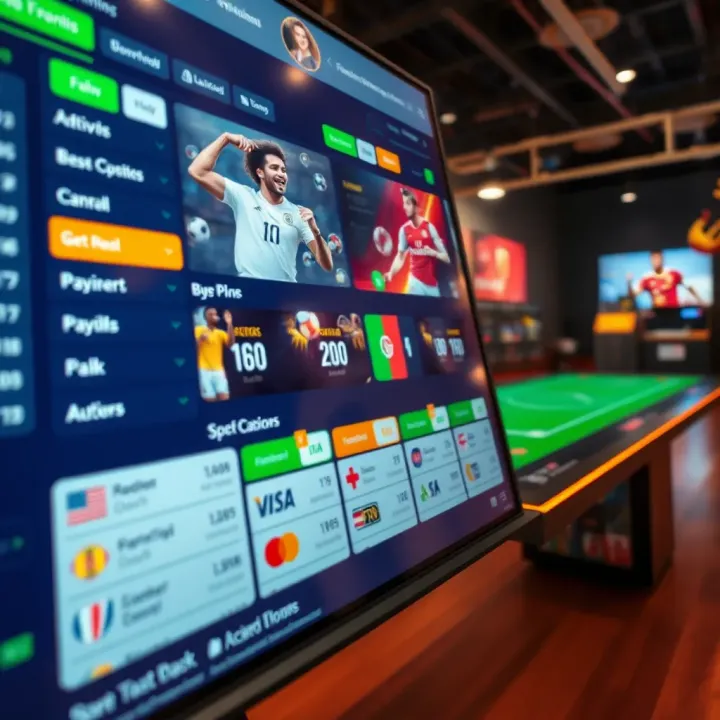
Discover the best betting sites in Nigeria! Get safe platforms, easy ₦ payment options, top bonuses, mobile betting perks, plus tips for smart punters 🎯📱💰

🚀 Need help with Aviator login? This guide covers registration, security tips, forgotten password recovery, and troubleshooting—tailored for Nigerian users to manage accounts smoothly!
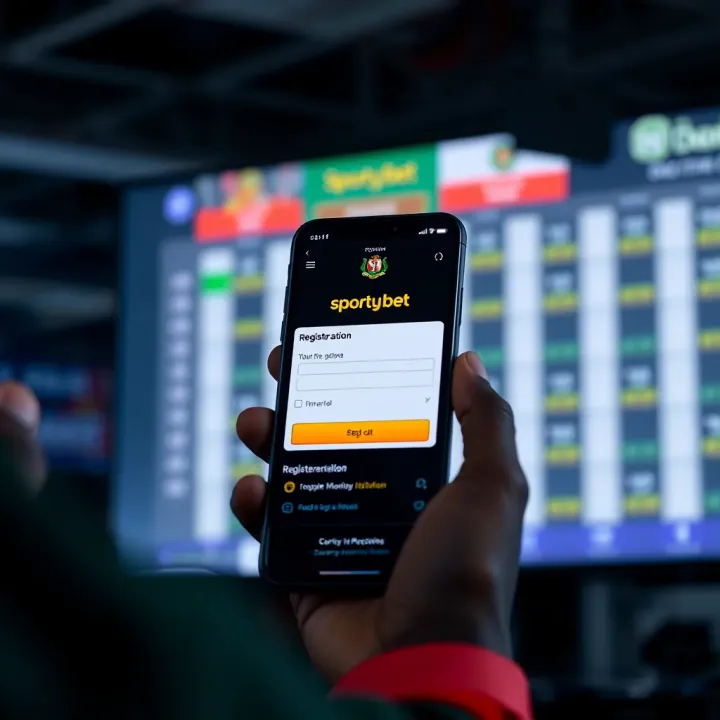
⚽ Learn how to play Sporty Bet in Nigeria with our practical guide 📲. Register, fund your account, choose bets smartly, and maximise your chances! 💰
Based on 9 reviews