
Understanding 777 Skrill for Nigerian Users
Explore 777 Skrill's features and use in Nigeria 🇳🇬. Learn how it fits online payments, gaming 🎮, security 🔒, and top alternatives for safe, easy transactions.
Edited By
Henry Dawson
In the world of online banking and digital finance, the term "777 account balance screenshot" has become quite common, especially among Nigerians who actively engage in online transactions or betting. But what exactly does it mean? At its core, a 777 account balance screenshot shows a bank account balance ending with the number 777, often interpreted as a lucky or symbolic figure. Many people share these images to demonstrate available funds or as proof of transaction statuses.
Typically, Nigerians use these screenshots to boost confidence in fund availability during financial dealings or to verify winnings in betting platforms. For example, a bettor may share a screenshot displaying ₦777,777.00 to confirm the credit of winnings from an online bookmaker. Similarly, hospitality workers accepting digital payments may request a screenshot to confirm a guest’s balance before service.
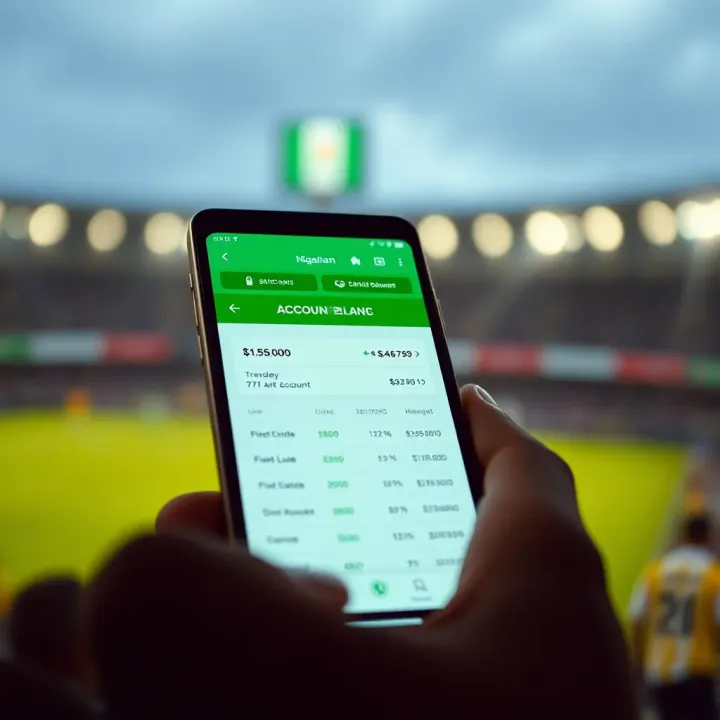
Be cautious, though. Screenshots can be easily edited or faked using simple tools. So, a 777 account balance screenshot should not be solely relied upon without additional verification.
Verifying authenticity involves checking the original bank app or USSD session, cross-referencing transaction timestamps, and sometimes confirming through direct bank notifications. Fintech professionals often warn users to avoid sharing these screenshots indiscriminately, as scammers might use them to impersonate or defraud others.
Here are practical tips when dealing with 777 account balance screenshots in Nigeria:
Ask for real-time verification: Request a live confirmation or screen recording instead of a static image.
Cross-check with bank alerts: Use SMS or app notifications to confirm transactions.
Avoid sharing sensitive details: Never include full account numbers or BVN in screenshots.
Use trusted fintech platforms: Platforms like Paystack or Flutterwave have secure means to confirm transactions without screenshots.
Understanding how to read and verify these screenshots helps prevent common scams while making your online financial activities smoother. Whether you’re a bettor, fintech worker, or simply managing your bank account digitally, recognising genuine 777 account balance screenshots keeps your money safer and dealings more transparent.
When you hear Nigerians talk about a "777 account balance screenshot," they generally refer to a digital image showing a bank account balance displaying the figure ₦777 or a similar triple-seven pattern. This screenshot captures the balance view on a mobile banking app or USSD service, often shared as proof of funds or financial status.
Though it might look like just any bank statement image, the '777' here carries extra significance, especially in informal circles. Triple numbers like 777 are seen as lucky or symbolic, which sometimes adds a layer of psychological assurance or bragging rights when people share such screenshots. More practically, it confirms the availability of funds for transactions or commitments.
A 777 account balance screenshot specifically shows the balance within a Nigerian bank account, usually via online or USSD banking platforms, displaying the digits "777" prominently either as the whole balance or within it. For example, someone might have ₦777 or ₦777,000, and a screenshot of that screen becomes a 777 screenshot.
This form of screenshot serves as quick proof when people want to confirm they have enough money before proceeding with a deal — such as paying for goods, betting stakes, or informal loans. It is also a visual statement seen on social media, where young urban Nigerians sometimes share these screenshots as a subtle flex or to boost confidence in their payment ability.
You typically see 777 account balance screenshots during online betting transactions or sales agreements where one party wants to verify funds before sending money or delivering services. Sports analysts and bettors may request these screenshots before combining funds or confirming stakes.
In hospitality or e-commerce, vendors might ask customers to send a 777 screenshot to verify payment readiness before confirming orders or reservations. It’s common among fintech users engaged on platforms such as Flutterwave or Paystack where fast verification saves time.
On social media, some users post these screenshots as proof of their financial position, adding a psychological edge or simply for entertainment. However, this practice has pitfalls, as screenshots can be edited, which introduces risks that we explore later.
A 777 account balance screenshot is more than just a digital image; it acts as a quick glimpse into one's financial standing. Whether used to close a business deal, verify funds for betting, or make informal financial claims, understanding what it is helps avoid pitfalls in Nigeria’s digital economy.
In essence, recognising this term and its uses will help you navigate Nigerian online financial interactions better, preventing misunderstandings or potential scams tied to fake screenshots.
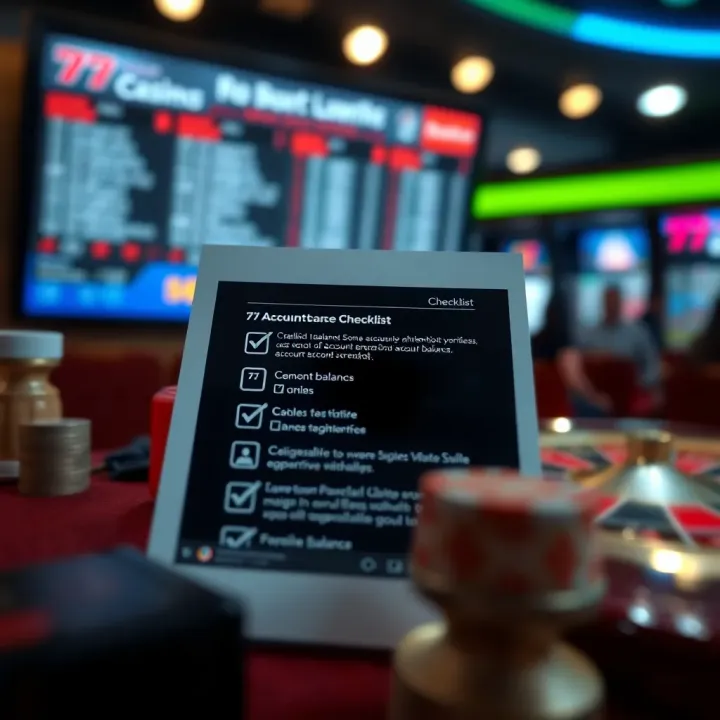
Sharing or requesting a 777 account balance screenshot is common in various Nigerian online and informal financial interactions. These screenshots serve as quick proof of funds, helping to build trust where physical cash verification is not possible. Since cash transactions are sometimes risky or impractical, digital evidence like the 777 balance screenshot has become a practical alternative.
One reason Nigerians send or ask for 777 account balance screenshots is to verify financial capability during online transactions. For instance, when someone wants to buy an item from Jumia Nigeria or Konga but the seller is wary, a balance screenshot helps prove the buyer has enough money before the transaction proceeds. In ride-hailing services like Bolt or Uber Nigeria, drivers sometimes request a glimpse of the rider's wallet or bank balance screenshot to avoid cancellations or fake bookings.
Besides buying and selling, such screenshots also help validate identity in less formal settings. Consider a futsal team hiring place or a wedding planner requesting confirmation that funds are available before finalising arrangements. Here, the account balance screenshot functions almost like a digital handshake, assuring both parties that money is genuinely ready.
When Nigerians apply for personal loans from microfinance banks or fintech platforms like Kuda or Piggyvest, they may submit a recent 777 account balance screenshot to prove income and financial steadiness. This quick reference gives lenders a snapshot of how well the applicant manages their funds.
Similarly, in informal business dealings such as negotiating with a mama put supplier or a small Tokunbo car seller, buyers might share these screenshots to show readiness to pay. It prevents long delays and reduces misunderstandings that could derail the deal. This practice is frequent in ecommerce prepayments or escrow-like transactions where trust is not yet established.
In all cases, a 777 account balance screenshot acts as a straightforward financial proof tailored for Nigerian online and informal markets. However, it's vital to handle and request these screenshots with caution, knowing the risks involved around privacy and authenticity.
By adopting this simple proof, many Nigerians find convenience and a measure of security in everyday financial engagements, especially outside formal banking structures or where cash handling is inconvenient. Still, awareness about potential scams and verifying the authenticity of such screenshots remains important for everyone involved.
When it comes to sharing account balance screenshots like the 777 type, being able to spot which ones are genuine and which are doctored can save you from a lot of trouble. In Nigeria, these screenshots often serve as informal proof of funds in online transactions, betting, or business deals. However, bad actors take advantage of this by creating fake screenshots, hoping to fool others. Knowing how to tell the difference helps protect you from scams and misleading offers.
Real account balance screenshots usually show consistent details aligning with the banking app’s typical layout. Look out for the following signs:
Time and Date Stamps: Genuine screenshots include actual timestamps, often matching the moment when the image was captured. You can cross-check this with conversations or transactions to verify they line up.
Bank Branding and Interface: Nigerian banks like GTBank, Access Bank or Zenith Bank have specific app designs. Authentic screenshots replicate these colours, logos, fonts, and arrangement exactly. Subtle changes or mismatched icons can trigger suspicion.
Transaction History Visible: Sometimes, genuine screenshots show recent transactions confirming account activity. For example, if the screenshot is for loan verification, it may display a recent salary credit or a withdrawal.
No Pixelation or Uneven Edges: Identify clear, sharp images without signs of cropping or layering. A genuine screenshot looks naturally captured from a phone screen, unlike images that appear pasted or zoomed-in repeatedly.
Check for matching UI elements with what you regularly see on your own banking app; this comparison often reveals inconsistencies quickly.
Fake screenshots often carry tell-tale signs if you know where to check:
Inconsistent Font Styles or Sizes: If the numbers or text don’t align with standard app fonts, or if the balance figure looks unusually big or small compared to the rest, it might be edited.
Suspicious Pixelation or Blurring: Look closely where the balance or date sits. Blurred or pixelated areas suggest alterations using photo editors or cropping tools.
Mismatch in Details: Sometimes scammers forget to adjust other related fields, like transaction dates or account numbers, leaving incorrect information that doesn’t fit the context.
Unrealistic Balances or Repeated Numbers: Screenshots showing unusually round figures like ₦777,777 or over-inflated balances without related transactions raise flags.
Absence of Standard Bank Features: Nigerian bank apps often show security icons, data usage bars, or battery signs in the screenshot. Missing these hints at sourced images or edits.
Understanding these indicators equips you to handle 777 account balance screenshots with caution. Always take the extra step to verify by asking for additional proof or checking directly with the involved party before making decisions based solely on screenshots.
Sharing your 777 account balance screenshot may seem harmless, but it carries serious risks, especially in Nigeria’s digital space where financial scams are rife. Many people do not fully realise how exposing this information can compromise their privacy and financial safety.
Your bank account balance is sensitive data. When shared carelessly, it provides scammers with clues to your financial standing. For example, if someone sees a ₦500,000 balance in your account, they might target you with phishing messages or fake loan offers. Beyond scams, sharing screenshots can reveal personal details like your full name, account number, or transaction history if not carefully cropped or edited.
A common mistake is sending the screenshot in public or semi-public chats like WhatsApp groups where unknown people may access it. This can lead to identity theft or unauthorized access to your bank accounts if combined with other compromised credentials. Nigerians frequently fall victim to fraud because attackers use such information to craft convincing impersonation or social engineering attempts.
Always ask yourself: "Do I really trust the person asking for my account balance screenshot?" If the answer is no or even unsure, do not share.
Fake 777 account balance screenshots are commonly used in scams targeting individuals and businesses. Scammers manipulate images to show massive funds, luring victims into deals or investments. For instance, a supposed business partner might share a doctored screenshot displaying millions of Naira to gain your trust, then disappear with your money.
Similarly, in betting or loan transactions, fake balances trick less cautious people into advancing money or goods first. Because many Nigerians rely on screenshots as proof, a high balance can be misleading. Without proper verification, victims may lose thousands or millions of Naira.
To avoid becoming a target, verify any account balance screenshot by contacting the bank directly or requesting alternative proofs like official bank statements or BVN-linked confirmations. Remember, no genuine bank will ask you to share screenshots for verification—they use formal channels.
In summary, be cautious about sharing or accepting 777 account balance screenshots. Protect your privacy, double-check requests, and treat suspicious screenshots as potential red flags. Doing so helps you stay a step ahead in Nigeria’s challenging financial landscape.
Sharing your account balance screenshot, especially the 777 balance format often referred to in Nigerian online circles, requires careful handling. Improper sharing can expose you to scams or identity theft. Therefore, adopting best practices is necessary not only to protect your finances but also to maintain your digital privacy.
Before sending anyone your account balance screenshot, always verify their identity and the purpose of the request. Nigerians often share these screenshots in informal transactions or loan discussions, but scammers use fake requests to steal information. For example, if a friend asks for your balance to verify your funds before a business deal, call them directly or meet in person instead of relying on just chat messages. If it’s a new contact, be skeptical and ask for proof of their identity or the organisation they represent.
Verification helps prevent sharing sensitive data with untrustworthy parties. It is common during ember months when transactions increase, and many opportunists take advantage of the festive rush. Confirming requests also means you avoid unnecessary exposure of your balance to social media or group chats where scammers might be lurking.
When you handle and share financial information digitally, follow these simple yet effective approaches:
Use encrypted messaging apps: Platforms like WhatsApp and Telegram offer end-to-end encryption, which makes your conversation private and harder for hackers to intercept.
Blur or crop sensitive details: Before sharing a screenshot, hide or crop out parts like your account number, personal details, or transaction timestamps that are unnecessary for the receiver.
Avoid public or shared Wi-Fi: Accessing your banking apps or sending screenshots over unsecured networks, such as open Wi-Fi in cafes or danfo parks, increases the risk of interception.
Regularly update your apps: Banks like GTBank, Zenith, and Access Bank release updates to patch vulnerabilities. Updating your apps ensures you benefit from the latest security features.
Enable two-factor authentication (2FA): This adds an extra layer of security by requiring a second verification, usually a code sent to your phone or email, before accessing your account.
Secure financial communication is essential for everyone, whether you're a betting enthusiast verifying your winnings or a fintech professional managing client accounts. Taking these precautions can save you from a costly mistake or a security breach.
Always treat your account balance screenshot like it’s cash. Sharing indiscriminately is like handing out your money—guard it carefully.
Maintaining caution and adopting these best practices when handling your account balance digitally ensures that your money and personal information remain safe amid Nigeria's busy digital financial ecosystem.
Explore 777 Skrill's features and use in Nigeria 🇳🇬. Learn how it fits online payments, gaming 🎮, security 🔒, and top alternatives for safe, easy transactions.

Explore the dynamics of 777 competitors 🔍, uncovering key players, strategies, and impacts shaping both Nigerian and global markets in today’s competitive world 🌍.
📊 Explore how the 777 Rocketman predictor works, tech behind it, winning strategies, reliability, and tips for Nigerian players aiming to improve their ₦ betting game responsibly 🎰
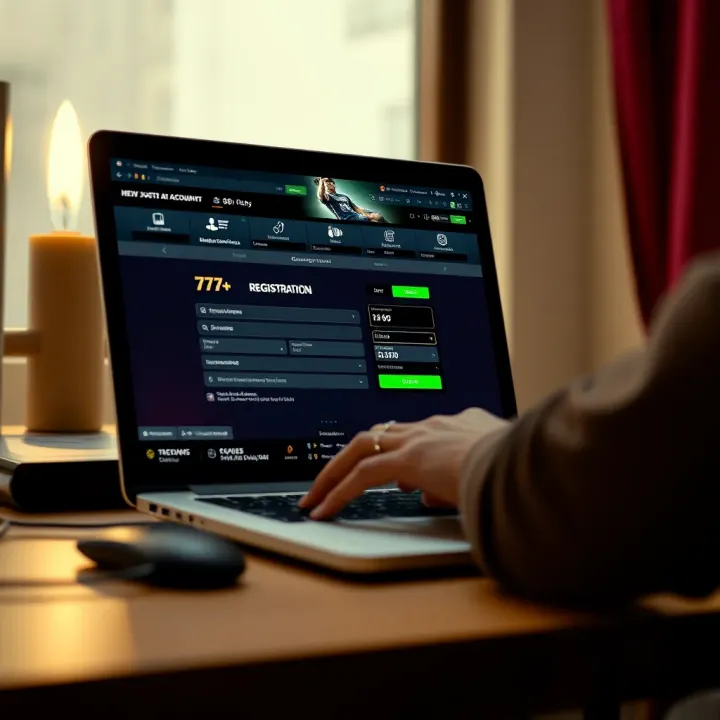
📝 Learn how to register your 777 online account in Nigeria easily. Follow clear steps, verify your identity, and avoid common registration issues for smooth setup ✅
Based on 12 reviews