

Understanding the 777 Bank Transfer Deposit Fee in Nigeria
📱 Curious about the 777 bank transfer deposit fee in Nigeria? Learn how much it is, why it applies, and smart ways to avoid paying extra when transferring ₦ your money.
Edited By
Emily Wright
Bank transfers to 777 accounts in Nigeria have become popular, especially among betting enthusiasts and fintech users. However, many people face issues where their deposits fail to reflect or transactions get stuck. Understanding why this happens helps avoid frustrating delays and loss of funds.
At times, the problem stems from network glitches either on the sender’s bank or the receiving platform. For example, if you initiate a transfer from GTBank or Zenith Bank to a 777 account but the transaction status shows pending for hours, the issue could be on the bank’s USSD or app service.
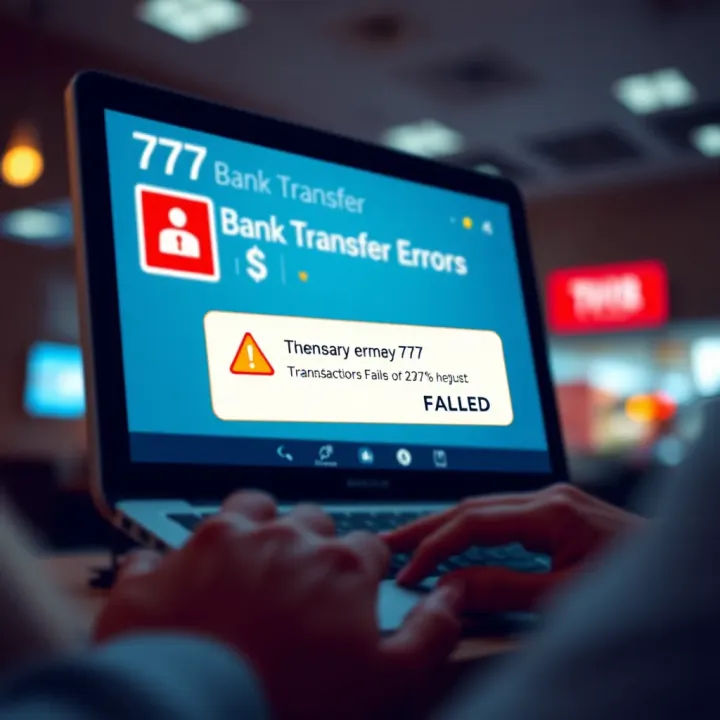
Sometimes incorrect account details cause immediate failure. A simple typo in the account number or using the wrong bank code for 777 can stop your deposit from going through. Confirming the recipient’s details before sending money is an easy preventive step to save time.
Another common cause revolves around incomplete transactions due to insufficient funds or daily transfer limits set by banks or regulatory bodies like the Central Bank of Nigeria (CBN). For instance, if your bank app blocks transactions exceeding ₦500,000 per day, any deposit attempt beyond this will be declined automatically.
Always keep your transaction receipt or screenshot until your deposit reflects successfully. This documentation is handy when contacting customer care for resolution.
If you notice your funds have left your account but haven’t appeared in the 777 platform, reaching out to both your bank and 777’s support team is crucial. Banks like Access Bank or First Bank have customer service lines that handle failed transactions swiftly.
In addition, delays may arise from maintenance or downtime on the 777 platform, especially during high betting activity periods such as weekends or major football league games.
To avoid these issues:
Check transaction limits on your bank app before transferring.
Double-check 777 account numbers and bank codes.
Use secure internet networks to reduce failure chances.
Monitor your transfer status immediately after sending.
Contact support promptly if money does not reflect within 30 minutes.
Understanding these facts saves you from unnecessary stress and ensures your betting or business transactions proceed smoothly every time.
Understanding how 777 bank transfers operate is essential, especially in Nigeria's fast-paced financial environment. This knowledge helps users identify potential issues early and ensures smoother transactions. Whether you are placing bets, paying for hospitality services, or managing fintech payments, knowing the ins and outs of 777 transfers saves time and avoids costly errors.
A 777 bank transfer is a specific type of electronic funds transfer used primarily by Nigerian banks to facilitate payments to accounts starting with the code ‘777’. These are often designated for certain services or business categories, such as utility payments, gaming, betting companies, or special merchant accounts. For example, many betting platforms require deposits into 777-coded accounts to track payments efficiently.
Unlike regular bank transfers that target individual personal accounts, 777 transfers usually route funds into business or service-linked accounts with unique purposes. This setup allows quicker identification and settlement of payments related to particular transactions, reducing confusion and delays.
Common uses in Nigeria include depositing funds to betting platforms, paying subscription services, or settling merchant transactions where quick confirmation is critical. For instance, a hospitality worker organising event payments may find 777 transfers a faster way to confirm settled bills, which supports timely operations.
The process begins when the sender inputs the recipient's 777 account details through online banking, mobile apps, or USSD codes. Nigerian banks connect through the Nigeria Inter-Bank Settlement System (NIBSS), ensuring funds move securely from one institution to another. The transaction passes through clearinghouses that verify and authorise payment within seconds to minutes.
Bank networks and central systems play crucial roles by authenticating transfer details and preventing fraud or duplication. This ensures that funds sent to 777 accounts reflect quickly on beneficiaries’ platforms, such as a betting operator’s wallet or a merchant’s bank ledger, boosting reliability.
Regarding deposit confirmation, most 777 transactions in Nigeria complete within 1 to 5 minutes, depending on network stability and bank response times. In cases of high volume or maintenance periods, delays can stretch to hours. Users should expect immediate notifications or SMS alerts once the transfer posts to ensure timely reconciliation of payments.
Knowing the detailed flow and timing of 777 bank transfers can help you avoid unnecessary stress and follow up promptly when deposits appear delayed or lost.
To summarise, understanding the nature, usage, and workings of 777 bank transfers makes managing payments in sectors like betting, fintech, and hospitality more efficient. This foundation prepares you to troubleshoot deposit issues effectively and maintain smooth financial records.
Understanding the common issues that affect 777 bank transfer deposits is vital for anyone regularly moving money within Nigeria’s banking system. This knowledge helps you avoid unnecessary delays, fund losses, or the stress that comes with searching for missing transactions. Whether you’re a bettor funding your account, a fintech professional handling payments, or a young urban adult relying on quick transfers, recognising these issues can save you both time and money.
System maintenance schedules can disrupt 777 transfers without warning. Nigerian banks, like GTBank and Access Bank, periodically schedule maintenance to update their systems or fix bugs, often during off-peak hours. However, these downtimes can cause transfer failures or delays, especially if you try to make a deposit during this period. For instance, a bettor funding an account before a match may find the transaction pending or declined because of maintenance.
Network connectivity problems are a common hurdle in Nigeria’s banking ecosystem. Since most 777 transfers depend on internet connectivity, poor network service—whether from your local ISP or the bank’s infrastructure—can interrupt transaction processing. This means transfers might not go through immediately or could be lost in transmission, causing frustration and additional follow-ups.

Server failures and their impact on transactions exacerbate these problems further. When a bank’s server experiences outages or crashes due to overload or technical faults, all pending transactions can be affected. This results in delays or even loss of deposit notifications. For example, during peak ember months when transaction volumes spike, server strain may lead to slowed processing, directly impacting your 777 bank transfer deposit.
Common mistakes in account numbers play a significant role in failed 777 deposits. Adding, dropping, or swapping digits in the beneficiary’s account number often causes money to be sent to wrong accounts or returned to the sender. If you enter 1234567890 instead of 1234567899, the transfer will not reach the intended 777 account.
Effects of wrong bank codes also disrupt transfer success. Nigerian banks use distinct bank verification codes (like NUBAN). Using the incorrect bank code means the payment routing system cannot locate the beneficiary’s bank. This results in failed transactions or reversal of funds, causing delays that could affect cash flow, especially for hospitality workers relying on quick deposits.
Addressing mismatched beneficiary details means ensuring all transfer data—name, account number, and bank code—must match perfectly. Mismatches might trigger compliance flags or cause the bank to reject the deposit. For example, fintech users who automate payments must program accurate beneficiary details to avoid repeated deposit failures.
Daily and transaction limits imposed by banks are designed to reduce fraud but often cause inconvenience. Nigerian banks limit how much you can send per day or transaction—limits that vary based on account type or verified status. Attempting to deposit sums above these limits results in failed transaction alerts, compelling users to split payments, which can be inefficient.
Frozen or inactive account statuses directly affect deposits to 777 accounts. If the recipient’s account has been frozen due to suspected fraud, regulatory action, or prolonged inactivity, banks suspend all incoming transactions. This means any 777 transfer attempts during the freeze remain unprocessed until the account is reactivated.
Restrictions due to regulatory compliance include anti-money laundering (AML) measures or Central Bank of Nigeria (CBN) policies. Transfers flagged for exceeding thresholds or appearing suspicious may be held for investigation or require additional KYC (Know Your Customer) validation. These restrictions are essential for safety but can cause frustrating delays unless stakeholders cooperate fully.
Paying close attention to these common issues helps you anticipate and solve 777 bank transfer problems faster, saving your time and reducing undue stress.
By knowing these pitfalls and how they affect deposits, you’re better equipped to navigate Nigeria’s banking terrain confidently and ensure your funds land safely where they should.
Tracking your 777 bank transfer deposit is vital to quickly confirm whether the transaction went through or ran into issues. This step saves you from unnecessary worry and helps you spot problems early before escalating them with your bank. Clear methods exist for verifying deposits, especially through USSD codes and online banking platforms commonly used across Nigerian banks.
USSD codes remain a handy way to check transaction status, especially when internet access is limited or unstable. Dial your bank’s USSD code and follow the prompts to check your last transactions. For example, GTBank's USSD *737# offers a simple menu for transaction history, enabling users to spot if their 777 transfer has been processed. This approach requires no smartphone and works well even on basic phones, making it widely accessible.
Mobile banking apps and internet banking portals provide more detailed tracking tools. Apps from Access Bank, Zenith Bank, or First Bank display real-time transaction histories with timestamps and transaction references. These platforms also allow users to download receipts or request assistance if a deposit is missing. For instance, through the Zenith Bank app, you get instant updates on transfer status, which helps ensure your 777 deposit was successful without having to visit a branch.
Notifications and alerts play a crucial role in keeping users informed. Banks often send SMS messages upon deposit or transfer completion, including the transaction reference number and amount. You should watch out for these alerts to confirm your money has landed safely. Some apps also allow push notifications that notify you immediately about transaction status changes, reducing the stress of waiting and guesswork.
If digital checks don’t clarify your deposit status, contacting your bank directly is the next best step. Banks provide customer service through helplines, email support, and live chat on official websites or mobile apps. For example, the UBA customer care line or GTBank’s dedicated WhatsApp support serve as practical channels for transaction inquiries.
When reaching out, have key information ready: your account number, the transfer date and time, amount sent, transaction reference number, and beneficiary details. These help the bank trace the deposit swiftly without delays. Without complete details, your inquiry may take longer to resolve.
Responses from banks usually arrive within 24 to 48 hours but may take longer during system downtimes or high traffic periods like ember months or festive seasons. If the initial response is incomplete, politely request follow-up actions. Keeping records of your correspondence boosts your chances during complaint resolution or disputes.
Always verify your 777 deposit promptly to avoid avoidable delays. Using USSD codes combined with mobile apps gives you control over your funds and lessens the need to queue at branches or stress over missing money.
Knowing how to verify and track your 777 bank transfer deposits keeps you updated and ready to act if anything goes wrong.
Fixing issues with 777 bank transfer deposits is vital for anyone relying on quick and reliable transactions in Nigeria’s busy financial environment. Whether you’re a betting enthusiast awaiting winnings, a hospitality worker receiving payments, or a fintech professional managing transfers, resolving these issues fast can save you time and stress. Immediate and proper handling helps avoid loss of funds, delays, or unnecessary escalation.
Double-checking transaction details is the first step when a deposit does not reflect. Many deposit failures stem from typos in account numbers or bank codes. Even a small slip, such as swapping two digits, can prevent money from reaching the right account. Confirm details by comparing to the recipient’s information carefully before retrying any transfer.
Retaining transaction receipts is crucial for proof of payment. Whether a screenshot, SMS from your bank, or email confirmation, these receipts provide evidence if problems arise. For example, if your ₦50,000 does not reach the beneficiary promptly, showing the receipt to your bank speeds up investigations and refund processes.
Re-initiating the transfer with correct info may seem obvious, but rushing can cause repeated failures. After verifying all details, retry the deposit calmly. Make sure you use the correct bank code and account number this time to avoid extra charges or delays.
Filing formal complaints with the bank is necessary when immediate actions don’t work. Nigerian banks provide complaint channels—via their website, customer service lines, or branches. State clearly your transaction date, amount, and what went wrong. This puts official pressure on the bank to resolve the issue within stipulated turnaround times.
Using regulator bodies like the Central Bank of Nigeria (CBN) for disputes is the next step if the bank delays or ignores your complaint. The CBN oversees banking operations and handles unresolved disputes, protecting customers’ funds. Filing a complaint with the CBN can trigger formal investigations and compel banks to act.
Documenting communication for follow-up protects you throughout the complaint process. Keep copies of emails, chat transcripts, or written responses for reference. This also helps if you need to escalate beyond the bank, ensuring you have a clear paper trail.
Verifying account details before transfers is the simplest way to avoid failing deposits. Always confirm beneficiary data via reliable sources—call the recipient or cross-check with your bank’s verified records. This is particularly necessary for high-value or frequent transfers.
Understanding bank transfer limits helps prevent failures due to exceeding daily or per-transaction ceilings. Nigerian banks impose varying limits; knowing your bank's rules ensures you structure payments accordingly or seek approval for larger transfers to avoid automatic blocks.
Keeping records of deposit confirmations makes future auditing and disputes easier. Save all official evidence of transactions, such as SMS alerts or app notifications. When you have a history of confirmations, it’s easier to identify where problems arise and support your claim if deposits go missing.
Taking swift and practical steps when a 777 bank transfer deposit fails prevents bigger financial headaches later. Always verify details, keep proof, and know when to escalate to protect your resources and ensure smooth banking.
Knowing the fees and charges linked to 777 bank transfers helps you avoid surprises and manage your finances better. In Nigeria, banks charge for these transactions in various ways, which can affect the overall cost and convenience of your transfer. Whether you’re moving money to a betting platform, paying for hotel bookings, or sending funds to fintech apps, understanding these costs saves you ₦ and stress.
Banks typically charge a small fee for processing 777 transfers, usually a flat rate or a percentage of the amount sent. For example, sending ₦10,000 might attract a ₦50 fee, while a ₦100,000 transfer could cost ₦300. These fees cover network usage and operational costs. It’s essential to factor these charges in, especially when making frequent transfers or sending large sums, as they add up over time.
Sometimes, transfers fail due to network issues or incorrect details. While the money often returns to your account, the bank might still impose service charges for handling the reversal process. For instance, a failed transfer of ₦20,000 might lead to a Nol ₦100 service fee. Being aware of this encourages double-checking details before sending money to avoid unnecessary costs.
If you send money to the wrong account or use incorrect codes, banks may charge penalties or delay refunds. Some banks deduct a fixed penalty to cover administrative work needed to trace and recover funds. Such penalties can be ₦500 or more, which could be steep for small transactions. Making sure account details are accurate before confirmation prevents these painful losses.
Many Nigerian banks offer different channels for 777 transfers, like USSD, mobile apps, and internet banking. USSD codes are often cheaper or free for small-value transfers, while some mobile apps waive fees above certain thresholds. For example, one might save ₦100 on every ₦5,000 transfer using USSD compared to an app. Exploring these options helps you pick the most affordable method for your needs.
Banks set daily or per-transaction limits that, if exceeded, may attract additional fees or declined transactions. If your daily limit is ₦100,000 and you try to send ₦150,000 in one go, you might face an extra fee or partial rejection. Keeping track of these limits ensures smoother transactions and avoids penalties or repeat charges.
Each bank has its own rules on fees for transfer reversals or cancellations. Knowing these policies upfront prevents shock when a mistake happens. For example, some banks refund the full amount minus a small processing fee, while others might hold the funds longer. Asking your bank directly or checking official fee schedules beforehand gives you control over what to expect.
Always confirm details, understand fees, and choose wisely to make 777 transfers hassle-free and pocket-friendly.
📱 Curious about the 777 bank transfer deposit fee in Nigeria? Learn how much it is, why it applies, and smart ways to avoid paying extra when transferring ₦ your money.

✅ Master the 777 login and signup process for popular Nigerian online services. Learn to reset passwords safely 👌 and avoid common issues with clear, practical tips.
Learn how to change your name on 777 quickly 💻. Follow clear steps, prepare your documents, and resolve common issues easily in Nigeria 🇳🇬.

Explore 777 Skrill's features and use in Nigeria 🇳🇬. Learn how it fits online payments, gaming 🎮, security 🔒, and top alternatives for safe, easy transactions.
Based on 11 reviews